Why sewer backups happen in Louisville
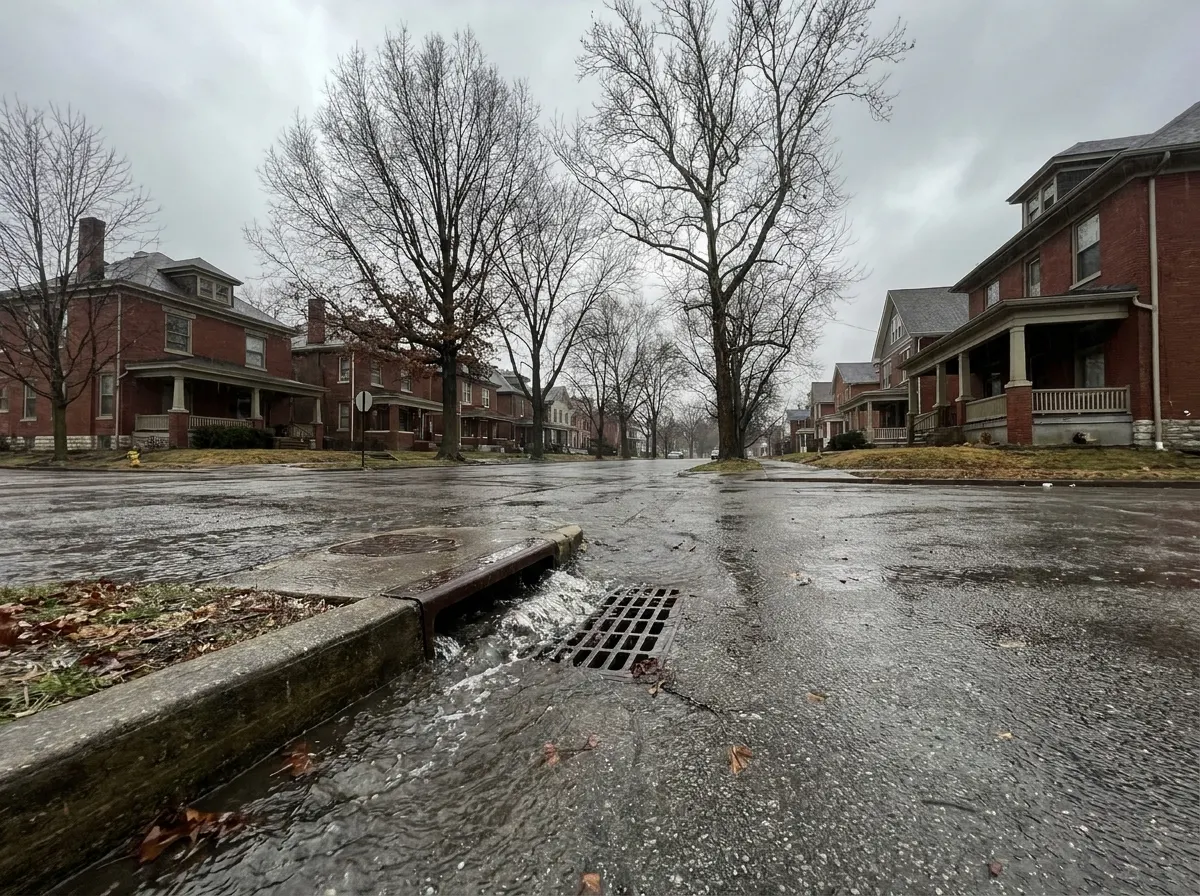
Parts of older Louisville have combined sewers, meaning rainwater and sewage share the same pipes. When heavy rain hits, those pipes fill up fast. When they overflow, the water has to go somewhere, and sometimes that somewhere is your basement.
This isn't a new problem. In March 1997, a record 7.22 inches of rain fell in a single day. MSD took more than 7,000 calls, mostly about sewer backups and surface flooding, and estimates as many as 25,000 basement backups were never even reported. In April 2025, more than 7 inches of rain over five days pushed the Ohio River to its eighth-highest crest on record, and MSD asked residents to hold off on laundry because the sewer system was simply full.
Illegal sump pump connections make it worse. Connecting a sump pump to the sewer is illegal in Louisville. MSD says it overloads the pipes and causes backups.
Safety first: what you're dealing with
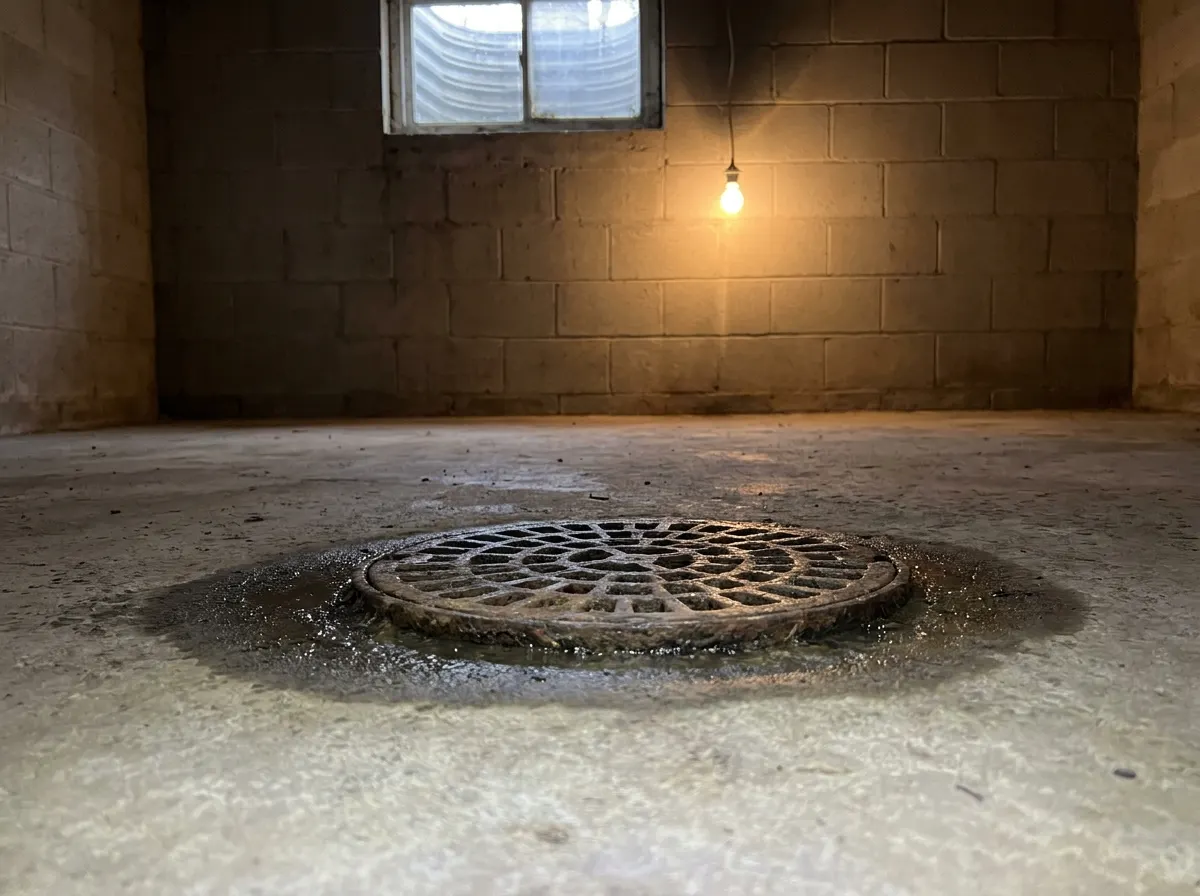
Sewage backup is not ordinary water damage. The industry classifies it as Category 3 water, which means grossly contaminated. It can contain bacteria and other pathogens that make people sick.
Before you go near it:
- Wear rubber boots, rubber gloves, and goggles.
- Keep children and pets completely out of the area until cleanup is done.
- Don't run the HVAC system if it may have been affected.
The CDC says to throw away drywall and insulation that sewage or floodwater touched. The EPA adds that rugs, curtains, flooring, wallboard, and upholstered furniture that came into contact with sewage usually need to be replaced, not cleaned. The EPA also says children and pregnant people should not take part in flood cleanup at all.
What a restoration company typically does
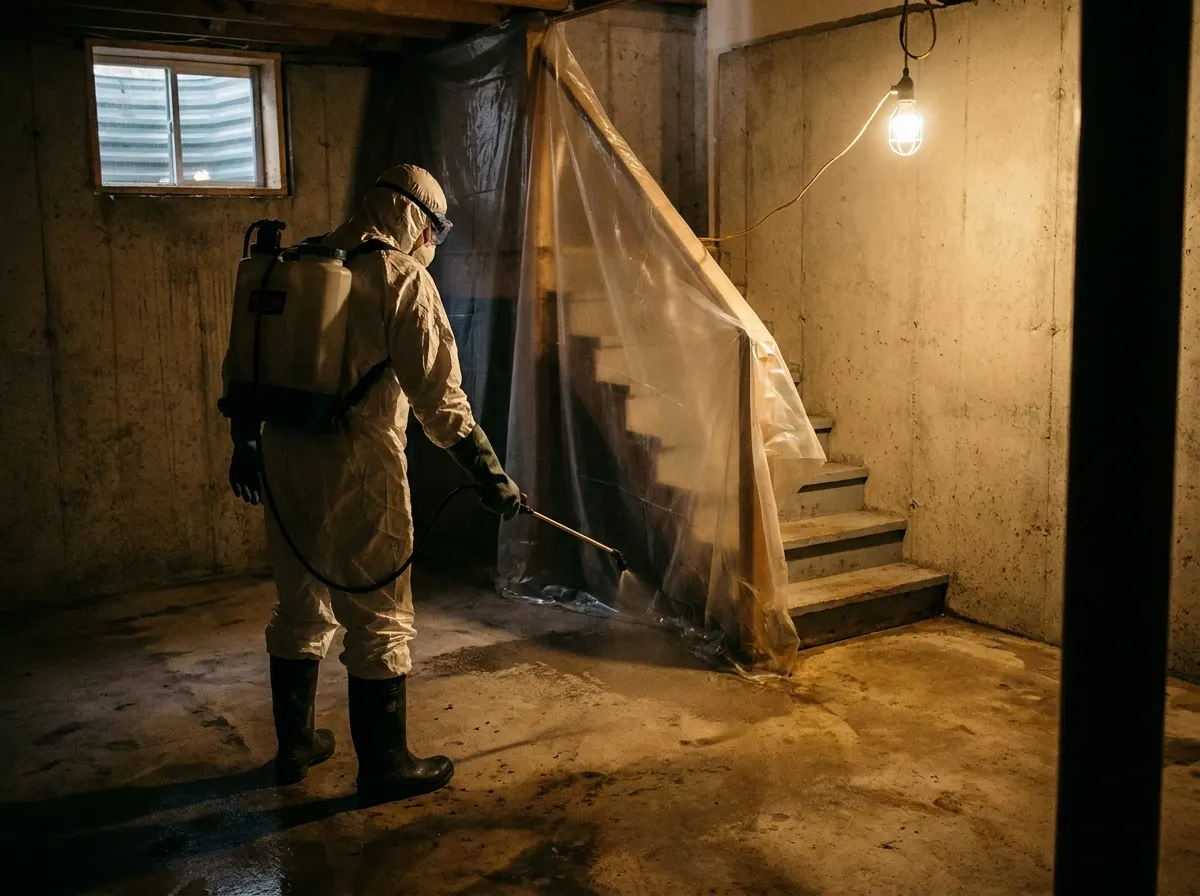
A company handling basement sewer backup will generally start by extracting the standing water, then assess what can be saved and what has to go. Because this is Category 3 water, the process is more involved than a clean-water job.
Porous materials that absorbed sewage are typically removed. The affected area is then cleaned and treated. Drying equipment runs until moisture readings come down to acceptable levels.
The IICRC S500 standard guides this work. The category of water determines the protocol, which is why it matters that you tell the company upfront what came up and where.
Sewage backed up, and you're not sure what's safe to touch.
The smell hit you first, and now you're standing at the top of the stairs not knowing where to start. Sewage backup isn't something you can clean up with paper towels and a good attitude.
A trained local restoration company handles the cleanup safely and thoroughly, so nothing gets left behind. You get your space back without having to wonder if it was done right.
Get Help TodayReach one of Louisville's top-rated restoration companies, free quote, no obligation. Call (502) 754-4273
Call MSD and ask about backup prevention
If sewer water has come up through a floor drain, shower, or toilet during heavy rain, call MSD at (502) 540-6000 and ask what backup-prevention help is available. MSD's customer line is answered around the clock.
Before you hire anyone to work on your sewer line, ask MSD which part of the line is yours. It's worth knowing before any repair work is planned.
A backflow valve is one option worth asking about. It lets wastewater leave the house normally but closes automatically if sewer water tries to come back in. Ask MSD what programs or guidance they offer.
Insurance: what to check
Many standard homeowners policies don't cover sewer and drain backups unless you've added a water backup endorsement. Check your policy now, before you need it.
If the backup was caused by a flood, coverage may come through the National Flood Insurance Program rather than your homeowners policy. FloodSmart notes that a flood policy covers a sewer backup caused by flooding, but not one caused by a clogged pipe. Your policy decides what's covered.
Take photos before anything is moved or thrown out. Save a piece of anything you discard if you can, and keep every receipt. The Kentucky Department of Insurance advises waiting for the adjuster before making permanent repairs, though removing contaminated water right away to prevent further damage is a different matter.
How to choose a sewer backup cleanup company
Get a written contract before work starts. It should spell out exactly what will be done, the total cost, and the timeline. Never pay the full amount upfront.
Ask about the company's process for Category 3 water specifically. Ask for references. The Kentucky Department of Insurance recommends meeting the adjuster before signing any repair contracts.
Frequently asked questions
Is sewage backup covered by my homeowners insurance?
It depends on your policy. Many standard policies exclude sewer and drain backups unless you've added a water backup endorsement. Check your policy or call your agent to find out what you have.
Can I clean up a sewer backup myself?
Sewage is grossly contaminated water. The EPA says that when water damage was caused by sewage, call in a professional who has experience with contaminated water. Keep children and pets out of the area in the meantime.
What's a backflow valve and do I need one?
A backflow valve lets wastewater leave your home but closes automatically if sewer water tries to push back in. Call MSD at (502) 540-6000 to ask about options and any available assistance programs.
This one really does need a professional.
Call now or fill out the form to get connected with one of Louisville's top-rated restoration companies.