Louisville's flooding history
Louisville has a long and well-documented relationship with flooding. The 1937 Ohio River flood is still the city's record. The floodwall that MSD runs today, built in response to that disaster, protects about 110 square miles of Louisville Metro.
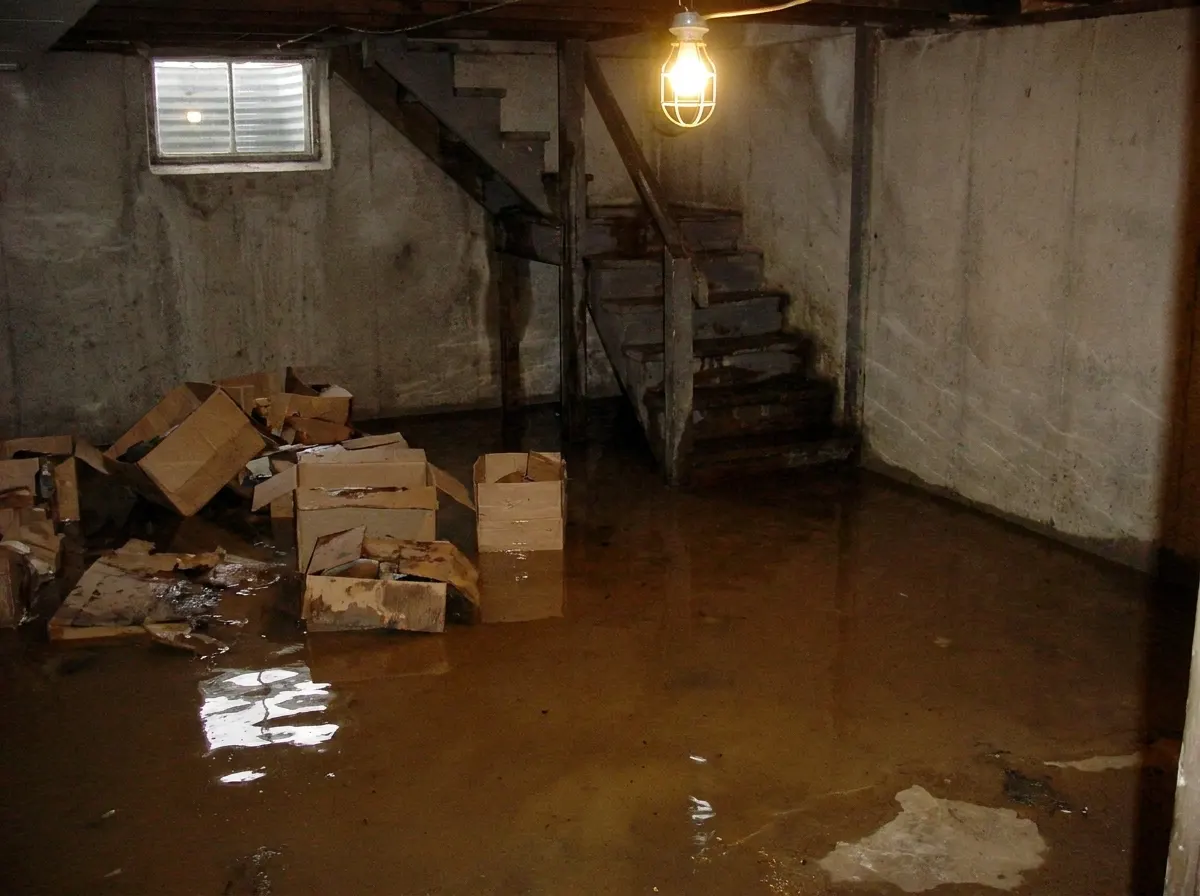
The floodwall holds back the river, but heavy rain is a different problem. In March 1997, 7.22 inches of rain fell in a single day, and MSD took more than 7,000 calls, mostly about sewer backups and surface flooding. MSD estimates as many as 25,000 basement backups were never reported.
On August 4, 2009, 3 inches of rain fell in one hour at the airport. The National Weather Service says numerous basements flooded across Louisville, Jeffersonville, New Albany, and Clarksville.
In April 2025, more than 7 inches of rain fell over five days. The Ohio River reached its 8th-highest crest on record, and MSD asked residents to hold off on laundry because the sewer system was full.
MSD calls flooding the most severe natural disaster in Louisville Metro.
Why basements flood here
Parts of older Louisville run rainwater and sewage through the same underground pipes. When those combined pipes fill up during a heavy storm, the overflow has to go somewhere, and sometimes that somewhere is your basement floor drain, shower, or toilet.
When rain comes in faster than the ground can absorb it, that water also looks for the lowest available space. For most homes, that is the basement.
If you have had sewer water come up through a floor drain or toilet during heavy rain, call MSD at (502) 540-6000 and ask what backup-prevention options may be available to you. A backflow valve, for example, lets wastewater leave the house but closes if sewer water tries to push back in.
Before you hire anyone to work on your sewer line, call MSD to find out which portion of the line is your responsibility.
First steps after a basement flood, and what to skip
Safety comes before cleanup.
Do not go into a flooded basement without first making sure the power is off. Water and electricity are a serious combination. MSD says to keep the power off until an electrician has inspected your system.
If floodwater or sewage is involved, wear rubber boots, rubber gloves, and goggles. Keep children and pets out until the cleanup is fully done.
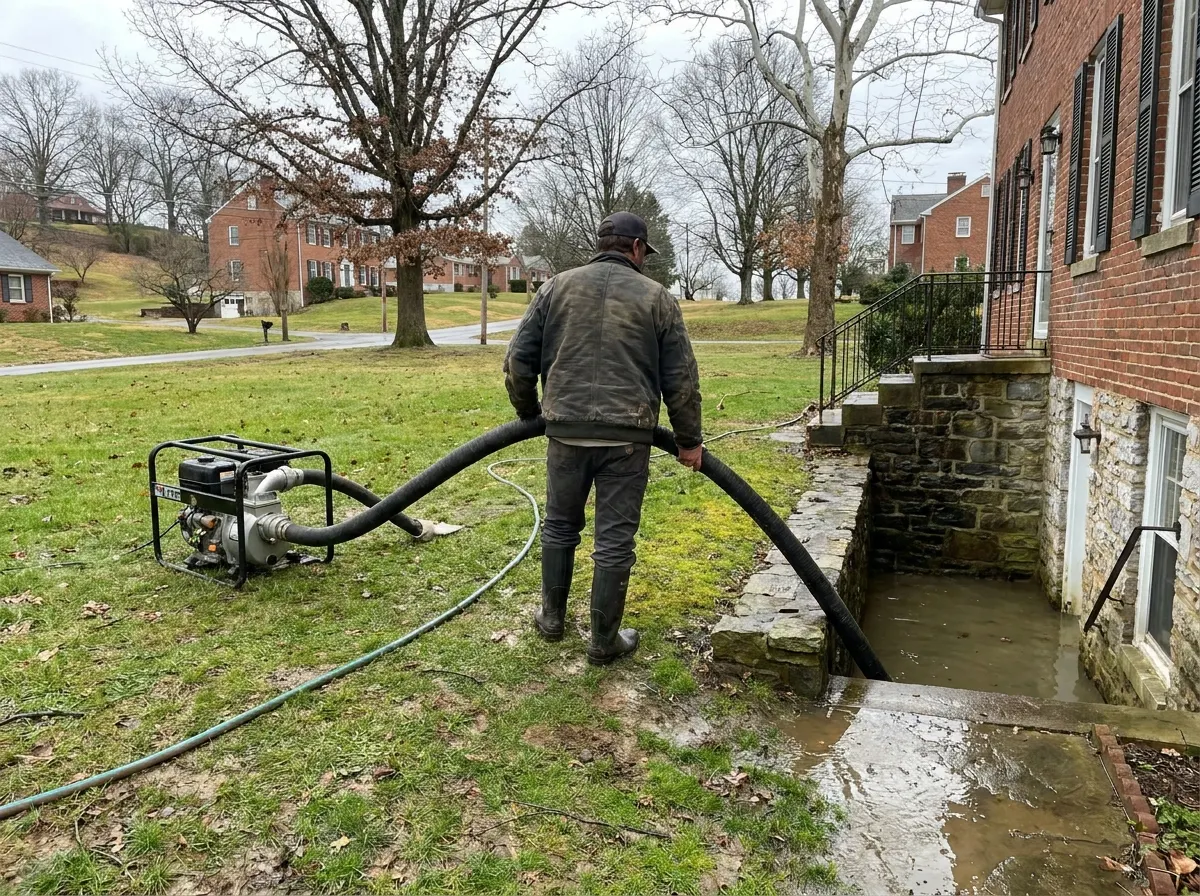
Do not try to pump out a deeply flooded basement all at once. The EPA notes that removing water too fast from a deeply flooded basement can crack walls and floors.
Once it is safe to go in, take photos of everything before you move or discard anything. Kentucky's Department of Insurance says to photograph the damage, save a piece of anything you throw out if you can, and keep every receipt. Those records support your insurance claim.
Your basement flooded, and the mess feels completely overwhelming.
Standing water, ruined belongings, and that heavy musty smell settling into everything you own. And somewhere in the back of your mind, you're already worried about the next heavy rain.
A trusted local flood cleanup company removes the water, dries the space thoroughly, and helps you understand what happened. You get your basement back, and a clearer picture of where things stand.
Talk to a Local ProReach one of Louisville's top-rated restoration companies, free quote, no obligation. Call (502) 754-4273
What usually has to go after a flood
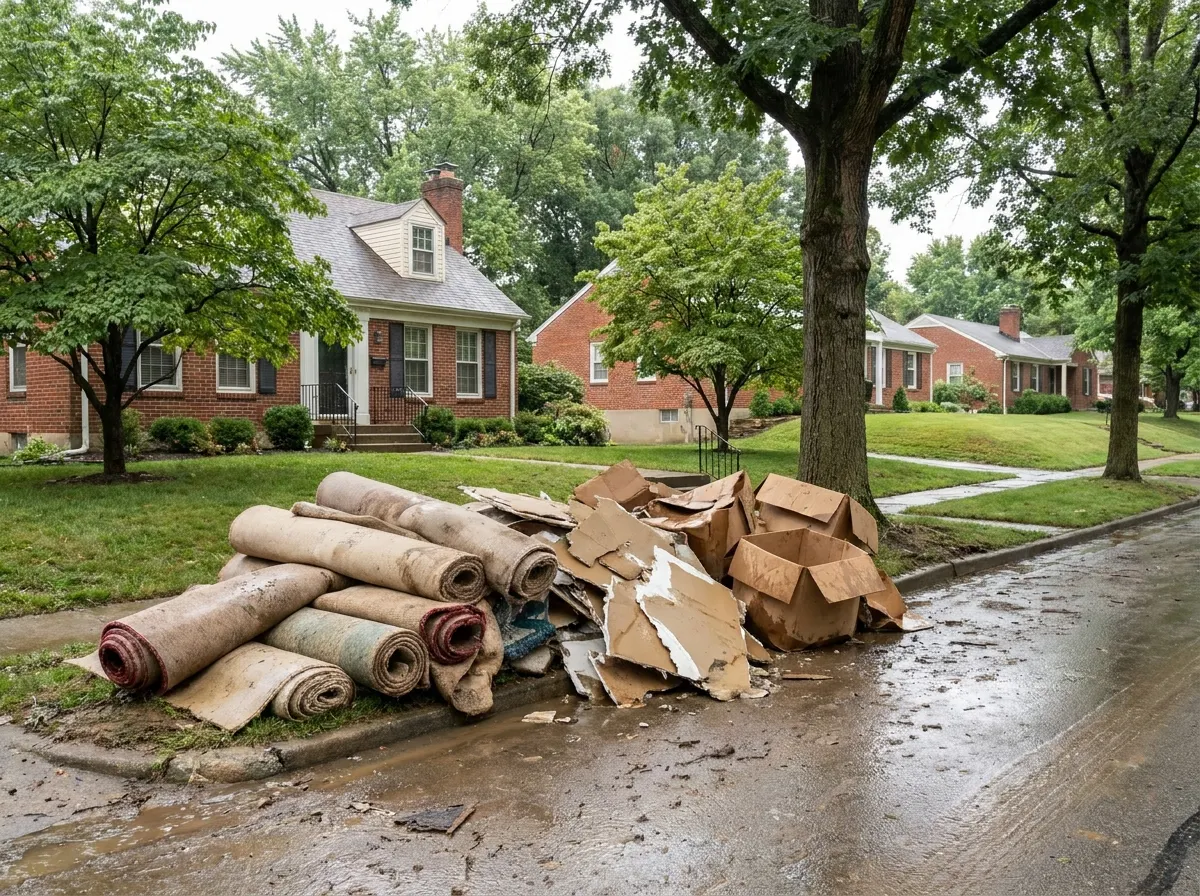
Sewage and rising water from rivers or streams fall in the most contaminated category of water. The EPA says rugs, curtains, flooring, wallboard, and upholstered furniture that touch sewage usually must be replaced, not cleaned and dried.
The CDC recommends throwing away drywall and insulation that sewage or floodwater touched. Children and pregnant people should not take part in flood cleanup, and the EPA says people with asthma or weakened immune systems should stay away from moldy areas and out of flood cleanup.
The EPA also notes that drying wet materials within 24 to 48 hours is the key to preventing mold from taking hold. Speed matters.
Flood insurance: what your policy probably does and doesn't cover
Kentucky's Department of Insurance lists flood as a typical exclusion in a homeowners policy. Flood coverage comes from the National Flood Insurance Program, and it usually takes 30 days to go into effect after you buy it, so it needs to be in place well before a storm.
There is a useful distinction worth knowing: a flood policy generally covers a sewer backup that was caused by a flood. A sewer backup caused by a clogged pipe is a different matter, and your policy decides how that is treated.
Many homeowners policies do not cover sewer and drain backups at all unless you have added a water backup endorsement. Check your policy before you need it.
Kentucky's Department of Insurance advises homeowners to take steps to prevent further damage right away, but to hold off on permanent repairs until the adjuster has seen the situation. Meet the adjuster before signing a repair contract.
How to choose a flood cleanup company
Get a written contract before any work begins. It should spell out what will be done, the total cost, and the completion date. Kentucky's Department of Insurance says never to pay the full amount before the work is complete.
Ask for references. Make sure the company carries its own insurance. Kentucky's Department of Insurance warns against signing anything you don't fully understand, and against pressure to sign on the spot.
MSD's customer line, (502) 540-6000, is answered around the clock and is the number MSD gives for flooding, drainage, and basement backup questions.
Frequently asked questions
My basement flooded after heavy rain. Is that covered by my homeowners insurance?
Flood damage is typically excluded from a standard homeowners policy. Your policy decides what is and is not covered, so read it carefully or call your agent. If you do not have a flood policy through the National Flood Insurance Program, that type of loss may not be covered. Kentucky's Department of Insurance Consumer Protection Division can be reached at (800) 595-6053 if you have questions about your claim.
What should I do about the smell after a flooded basement?
A persistent musty smell after flooding often means moisture is still present somewhere, inside walls, under flooring, or in framing. It can also be an early sign of mold beginning to grow. The EPA says drying wet materials within 24 to 48 hours is the key to preventing mold. Call or fill out the form to get connected with a local water damage restoration company who can assess what is still holding moisture.
Can I clean up a flooded basement myself?
If the water was clean, the area is small, and the power is confirmed off, some homeowners handle it themselves. But if floodwater or sewage was involved, EPA and CDC guidance points toward professional cleanup. Contaminated water changes what has to be removed versus what can be dried, and the health risks are real. A local company can tell you what you are dealing with after a quick look.
You don't have to sort through this alone.
Call now or fill out the form to get connected with one of Louisville's top-rated restoration companies.