What mold actually needs to grow
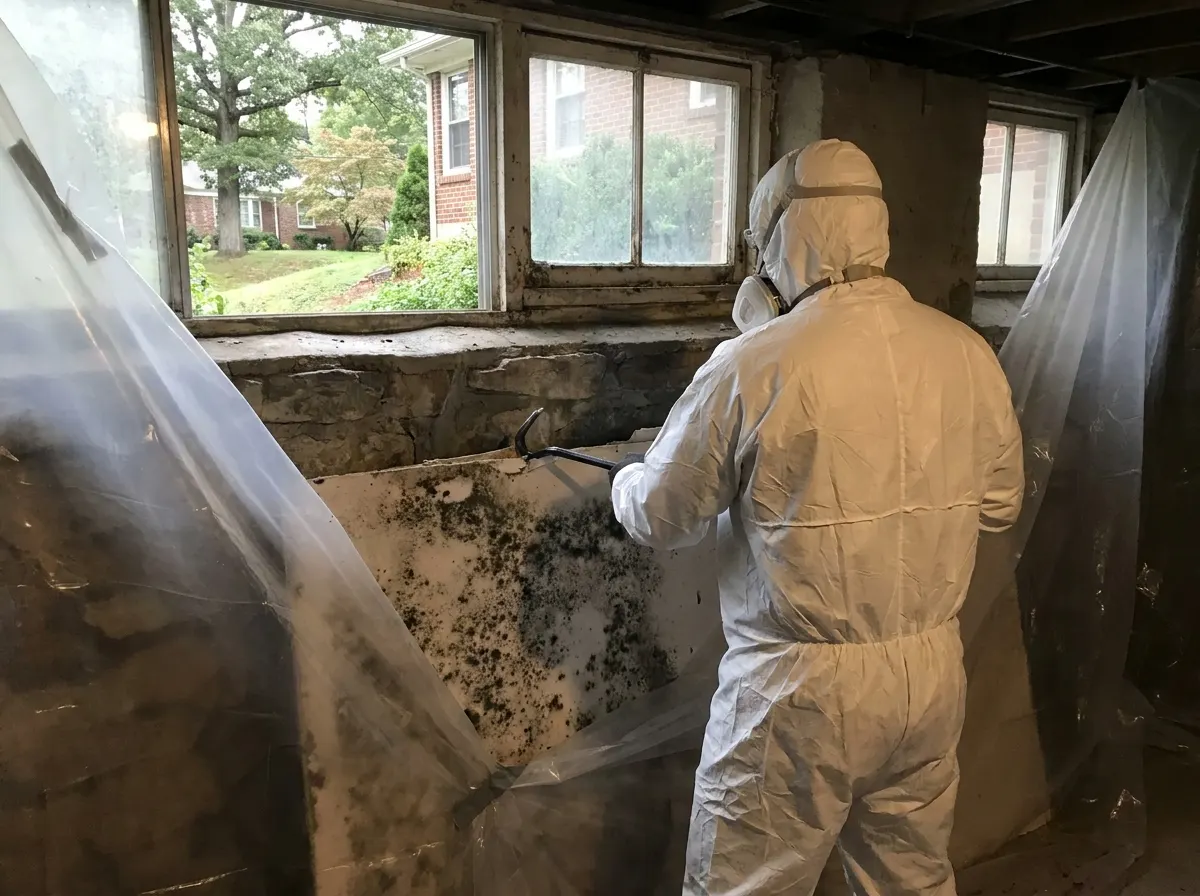
Mold needs moisture. That's it. The EPA puts it plainly: control the moisture, and in most cases you control the mold.
Wet materials that dry out within 24 to 48 hours usually won't develop mold growth. The problem in Louisville is that moisture tends to linger. Wet springs, combined sewer overflows, and slow leaks inside walls all create the damp conditions where mold takes hold.
If you can smell something musty but can't see anything obvious, that's worth investigating. Mold often hides behind drywall, under flooring, or inside wall cavities where a slow drip went unnoticed.
What to do before a company arrives
A few things you can do right now.
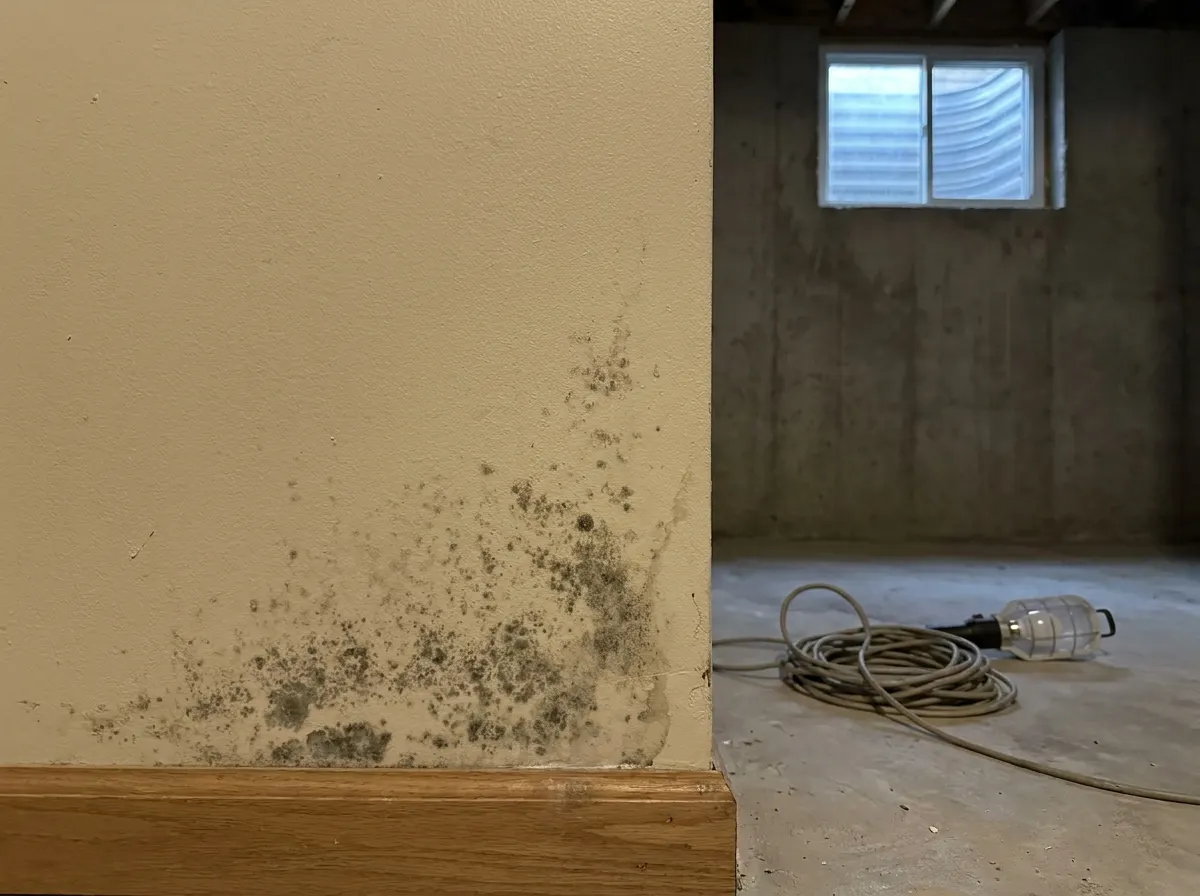
Find the source of the moisture and stop it if you can. The EPA is clear on this: clean up the mold without fixing the water, and the mold will most likely come back.
If the affected area is less than about 10 square feet, roughly 3 feet by 3 feet, the EPA says most people can handle it themselves. If the damage came from sewage or other contaminated water, call a professional regardless of the size.
Don't paint or caulk over mold. It doesn't solve the problem. And if your heating and cooling system may have been affected, the EPA says not to run it until a pro has looked at it.
Mold inspection and testing: what you actually need
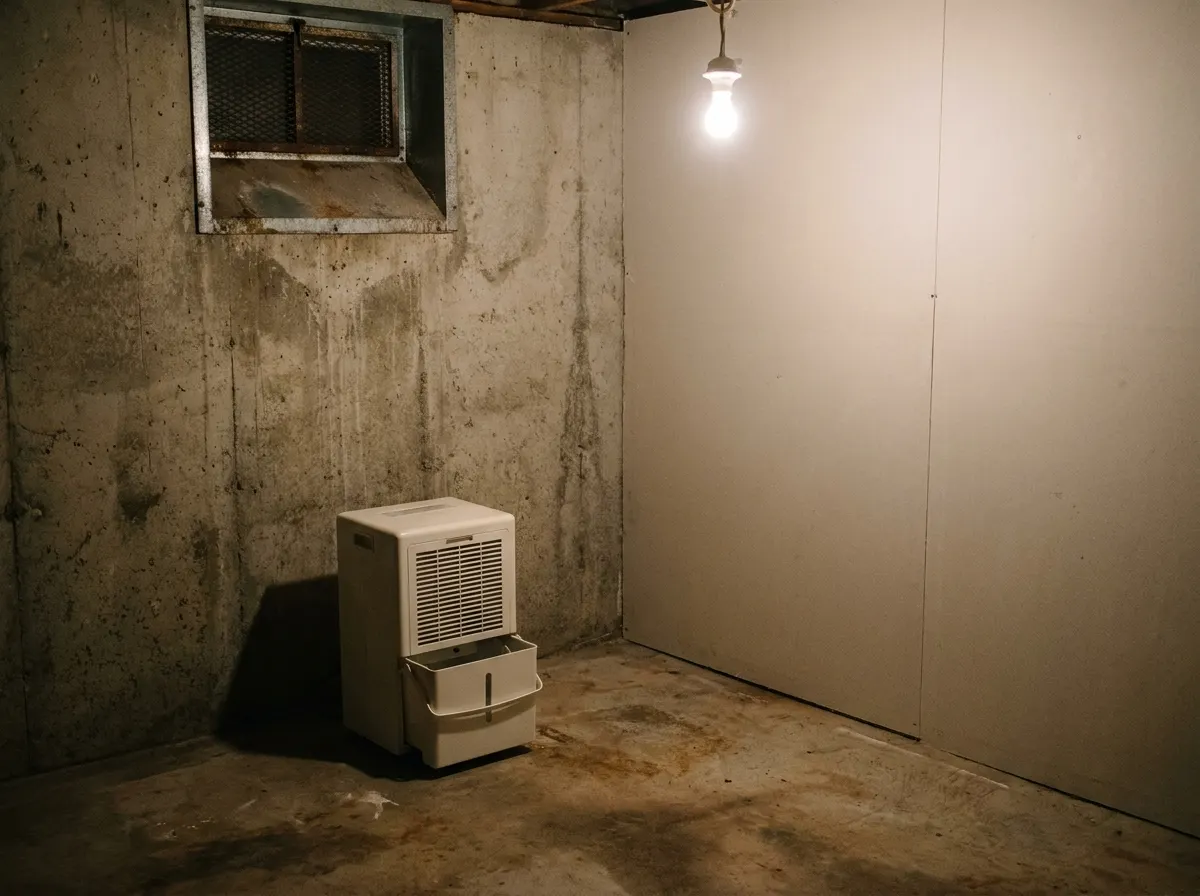
Mold inspection and mold testing come up a lot, and it's worth being clear about what's useful and what isn't.
The EPA and CDC both say testing usually isn't needed when you can already see mold. The CDC says it does not recommend mold testing. If you can see it, the priority is fixing the moisture source and removing the mold, not spending money on lab results.
Post-cleanup testing is a different matter. If testing after the job is part of your contract, Kentucky's rules say it must be done by an independent indoor environmental professional who is paid by you and reports to you, not the remediation company. That protects you from a conflict of interest.
A mold inspection before work begins is reasonable if you suspect mold but can't locate it. Ask any company you're considering what their inspection process involves and what you'll receive in writing before work starts.
Those dark spots are spreading, and the smell tells you there's more hiding.
Mold has a way of growing behind walls and under floors, long before it's visible. What you can see isn't always all of it.
One of Louisville's top-rated mold remediation companies finds the full extent of the problem and removes it the right way. Your home gets treated carefully, not just surface-wiped.
Connect With a ProReach one of Louisville's top-rated mold remediation companies, free quote, no obligation. Call (502) 754-4273
Kentucky's mold remediation rules: your consumer protections
Kentucky has specific rules for mold remediation companies, and knowing them helps you hire smart.
Before you sign anything, the company must give you a written mold assessment and remediation plan. That plan has to include which areas will be treated, the tasks involved, where the moisture is coming from, and a price estimate.
A written contract is required before work begins. Any change that adds cost requires a signed change order before the work is done. When the job is finished, you're entitled to a written report.
Kentucky does not license or certify mold remediation companies. The Attorney General's office advises you to ask about the company's training and insurance, and to check references. Complaints about a mold remediation company go to the Attorney General. The state's rules are built on the IICRC S520 mold remediation standard, which is the industry's published benchmark for this work.
If you're a renter
Kentucky landlords are required to keep rentals fit and habitable and to meet building and housing codes. If you're renting and you've found mold or a leak, report it to your landlord right away. The EPA tells renters to report leaks and moisture problems to the building owner or manager immediately.
How to choose a mold remediation company
Ask for the written assessment and remediation plan before you agree to anything. Confirm what training and insurance the company carries. Ask for references and follow up on them.
Get a written contract that spells out the scope, the cost, and the timeline. Never pay the full amount before the work is done.
Frequently asked questions
I see a small patch of mold. Do I need a professional?
The EPA says patches smaller than about 10 square feet can often be handled yourself, as long as the water source is fixed first. If the mold came from sewage or contaminated water, or if the area is larger, call a professional.
Does homeowners insurance cover mold removal?
Your policy decides. Coverage depends on what caused the moisture in the first place. Sudden, accidental water damage is more likely to be covered than a slow leak or long-term moisture problem. Check your policy or ask your agent.
Will mold come back after remediation?
If the moisture source isn't fixed, yes, it very likely will. That's why Kentucky requires the remediation plan to identify where the moisture is coming from. The EPA is direct about this: fix the water problem first, or the mold problem isn't solved.
Mold is worth taking seriously.
Call now or fill out the form to get connected with one of Louisville's top-rated mold remediation companies.